What Is dbt and Why Are Analysts Suddenly Learning It?
dbt (data build tool) has gone from a niche tool to a near-standard part of the modern data stack in a relatively short time, and it's created a new job title — analytics engineer — that sits between traditional analyst and data engineer work. Here's what it actually does and why it's spread so fast.
The Problem dbt Solves
Before dbt, transforming raw data into clean, analysis-ready tables typically happened one of two ways: messy, hard-to-maintain SQL scripts run manually or via basic scheduling, or the transformation logic getting pushed into the BI tool itself, duplicated across every dashboard that needed it. Neither scales well — the SQL scripts become unmaintainable spaghetti, and BI-tool-embedded logic means the same business definition (say, "active customer") gets defined slightly differently in five different dashboards.
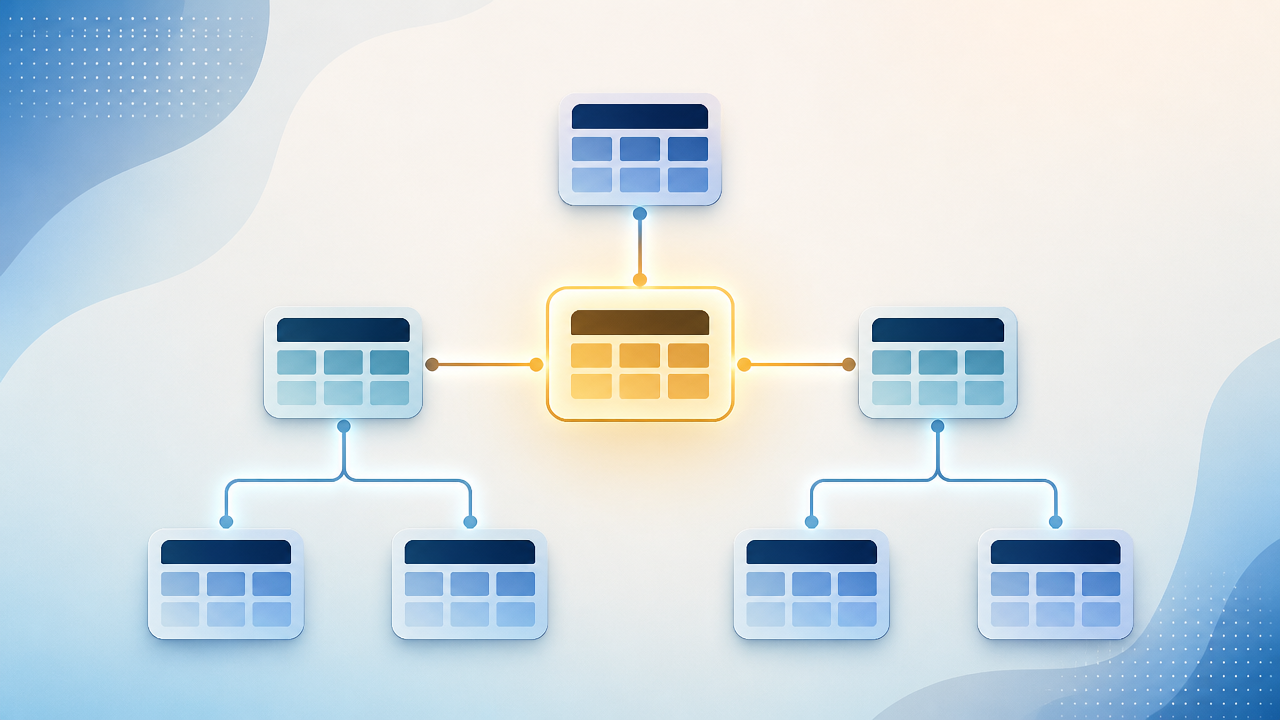
dbt brings software engineering discipline to this transformation layer: version-controlled SQL, testing, documentation, and a clear dependency graph showing how tables relate to each other.
What dbt Actually Does
You write your data transformations as SQL SELECT statements (dbt handles the DDL/DML machinery behind the scenes), organize them in a project with clear dependencies, and dbt runs them in the correct order, checks tests you've defined against the data, and generates documentation automatically. The core shift is treating your data transformation logic like real code — reviewed, tested, version-controlled — rather than a one-off script someone ran once and forgot about.
Why This Matters for Data Quality
Built-in testing. dbt lets you define tests directly alongside your transformations — checking that a column has no nulls where it shouldn't, that values fall within an expected range, that a key is genuinely unique. This catches data quality issues before they reach a dashboard, rather than after a stakeholder notices something looks wrong.
A single source of truth for business definitions. Once "active customer" is defined once in a dbt model, every downstream report references that same definition — eliminating the common problem of different dashboards quietly disagreeing with each other.
Automatic documentation and lineage. dbt generates a visual map of how your tables depend on each other, which is genuinely useful for onboarding new team members and for debugging when something breaks — you can trace exactly which upstream table an issue originated from.
Why Analysts Specifically Are Learning It
The rise of dbt has created a genuine middle-ground role — analytics engineer — that sits between traditional data analyst and data engineer. It's attractive to analysts because it builds directly on SQL skill they likely already have, without requiring the full software engineering and infrastructure depth of a traditional data engineering role. Learning dbt is often a lower-friction way for a SQL-strong analyst to move into more technical, higher-paid territory than a full pivot to data engineering would require.
What You Need to Know Before Learning dbt
Solid SQL is the real prerequisite — dbt doesn't replace SQL knowledge, it adds structure and tooling around SQL you're already writing. Basic familiarity with version control (Git) also helps significantly, since dbt projects are typically managed as code repositories.
Frequently Asked Questions
Is dbt a replacement for a data warehouse?
No — dbt runs on top of your existing warehouse (Snowflake, BigQuery, Redshift, etc.), handling the transformation layer rather than storage itself.
Do I need to be a data engineer to use dbt?
No — this is exactly the point; dbt is designed to be usable by SQL-proficient analysts, not only traditional software engineers, which is a big part of why it's spread so widely.
Is dbt free to learn and use?
There's a free, open-source core version alongside a paid cloud offering with additional features — you can learn and build real projects using the free version.
Where should I learn dbt hands-on?The Complete dbt Bootcamp covers the practical fundamentals directly, building real transformation projects.
Bottom Line
dbt brings genuine software engineering discipline — version control, testing, documentation — to the SQL transformation work that used to happen in scattered, unmaintained scripts. Its rapid adoption reflects a real gap it filled, and for SQL-strong analysts, learning it is one of the more accessible ways to move into more technical, better-paid analytics engineering work without a full pivot to traditional data engineering.