DeepLearning.AI Generative AI with LLMs: Honest Review
Disclosure: This post contains affiliate links. If you sign up through one of them, we may earn a commission at no extra cost to you. This doesn't affect which platform we recommend.
Built by DeepLearning.AI in partnership with AWS, this course sits at the more technical end of the generative AI course landscape — genuinely teaching transformer architecture and fine-tuning, not just API usage. This review covers what that technical depth actually looks like and who's ready for it.
Quick Verdict
Best for: Learners with existing ML/deep learning background who want to understand LLMs at a genuine technical level, not just use them via API.
Not for: Complete beginners with no prior ML exposure — the course assumes real foundational knowledge and moves quickly past basics.
Price: Included with Coursera Plus, or standalone course pricing.
Certificate value: Strong within technical AI circles, given the DeepLearning.AI and AWS brand combination — recognized as a genuinely technical credential, not a light-touch overview.
What the Course Actually Covers
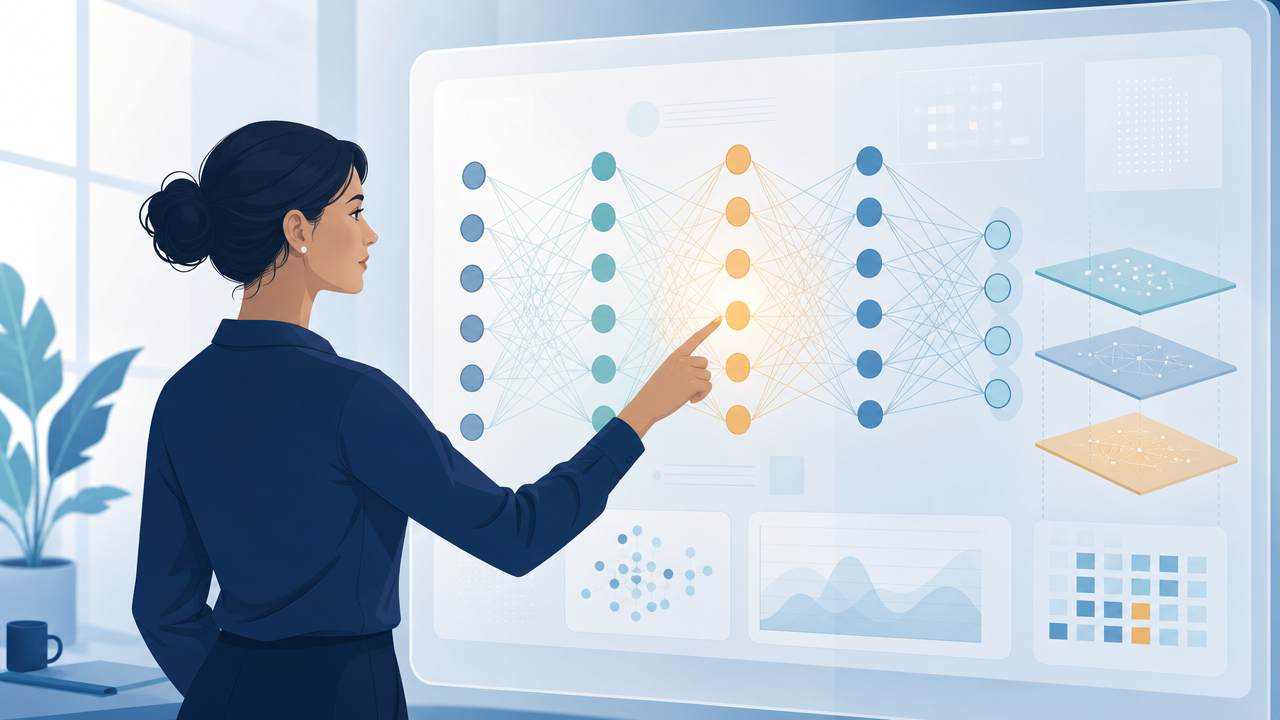
The curriculum moves through the transformer architecture underlying modern LLMs, the training process (pre-training and fine-tuning), techniques like instruction fine-tuning and parameter-efficient fine-tuning (LoRA), reinforcement learning from human feedback (RLHF), and deployment considerations. It's genuinely technical — expect real discussion of model internals, not just prompting technique.
What's Good
Real technical depth, not surface-level coverage. Unlike many generative AI courses that stay entirely at the API-usage level, this course teaches what's actually happening inside the model — valuable if you want to move beyond treating LLMs as a black box.
Strong instructor pedigree. DeepLearning.AI's course design consistently balances technical rigor with clear explanation, and this course maintains that standard even with genuinely advanced material.
Practical fine-tuning coverage, including parameter-efficient techniques like LoRA that are actually usable without massive compute budgets — relevant for anyone who might need to fine-tune a model themselves rather than always relying on prompting alone.
AWS integration context, useful if your organization is already using AWS infrastructure for ML work, since some practical examples are framed around that ecosystem.
Where It Falls Short
Genuinely difficult without ML background. This isn't a course to start your generative AI journey with — without prior exposure to neural networks and basic ML concepts, significant portions will be difficult to follow meaningfully.
Less focused on application-building specifically. If your primary goal is building LLM-powered applications (chatbots, RAG systems) rather than understanding model internals, a more application-focused course like Developing LLM Applications with LangChain may serve that specific goal more directly.
AWS framing may feel less relevant if your organization uses a different cloud provider — the core technical content transfers, but some practical examples are AWS-specific.
Who Should Actually Take This
Learners with existing deep learning fundamentals (ideally having completed something like the Deep Learning Specialization already) who want to specialize into LLMs specifically.
ML engineers who need genuine technical fluency with transformer architecture and fine-tuning, not just prompting skill.
Anyone evaluating whether to fine-tune a model for their organization, who needs real understanding of what that process actually involves before making that decision.
Who Should Look Elsewhere First
Complete beginners to ML — build foundational deep learning knowledge first, then return to this course once transformer basics won't be entirely new territory.
Anyone primarily interested in building applications, not understanding model internals — a more application-focused course will get you to a working project faster.
Non-technical learners — see our AI for Business & Productivity category for genuinely non-technical generative AI content instead.
Frequently Asked Questions
Do I need to know PyTorch or TensorFlow before taking this course?
Familiarity helps significantly, since some material references deep learning framework concepts — see our Deep Learning & Neural Networks category if you need that foundation first.
Is this course more technical than most "generative AI" courses on the market?
Yes, noticeably — many generative AI courses stay at the prompting and API-usage level; this one genuinely teaches architecture and training internals.
Will this course teach me to build a chatbot or RAG application?
Not as its primary focus — it builds the underlying technical understanding, but a more application-focused course covers the practical building steps more directly.
Is the AWS focus a problem if I don't use AWS?
The core conceptual content transfers regardless of cloud provider; only some practical examples are AWS-specific, so it's a minor friction rather than a fundamental mismatch.
Bottom Line
This is one of the more technically substantial generative AI courses available, genuinely teaching transformer architecture and fine-tuning rather than staying at the surface level of prompting and API calls. It rewards learners who already have ML fundamentals and want real depth — and it will frustrate anyone hoping for a gentle introduction or a fast path to building an application.