Course Overview
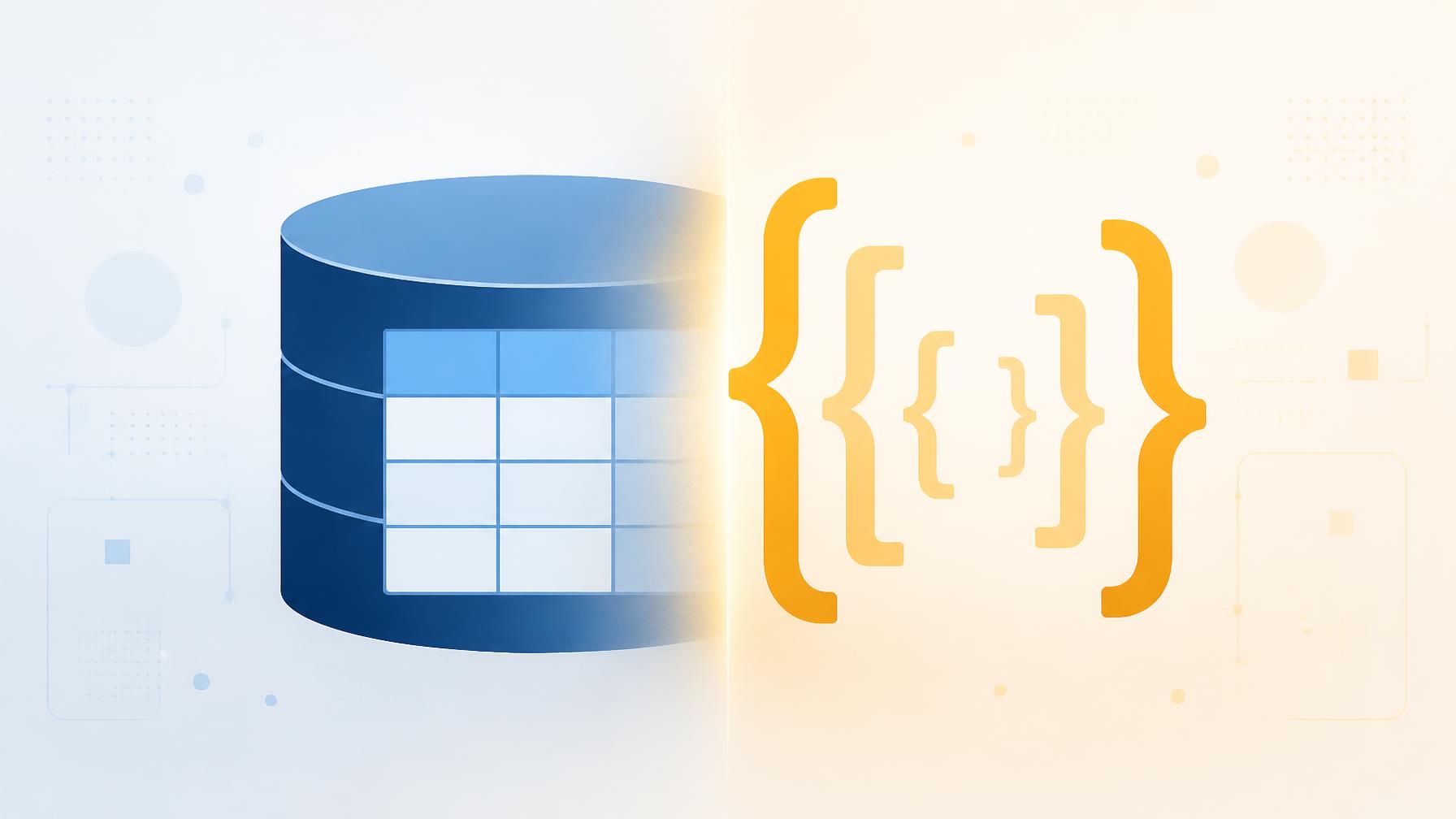
If you've never touched a database before, this course is DataCamp's answer to "where do I even start with SQL." It's short — the platform lists it at around 45 minutes of core content, with one graded module (Data Manipulation) running 30 minutes to an hour and worth 1,500 XP. The pitch is straightforward: relational databases run a huge chunk of the world's data — medical records, transaction logs, you name it — and SQL is how you actually get information out of them.
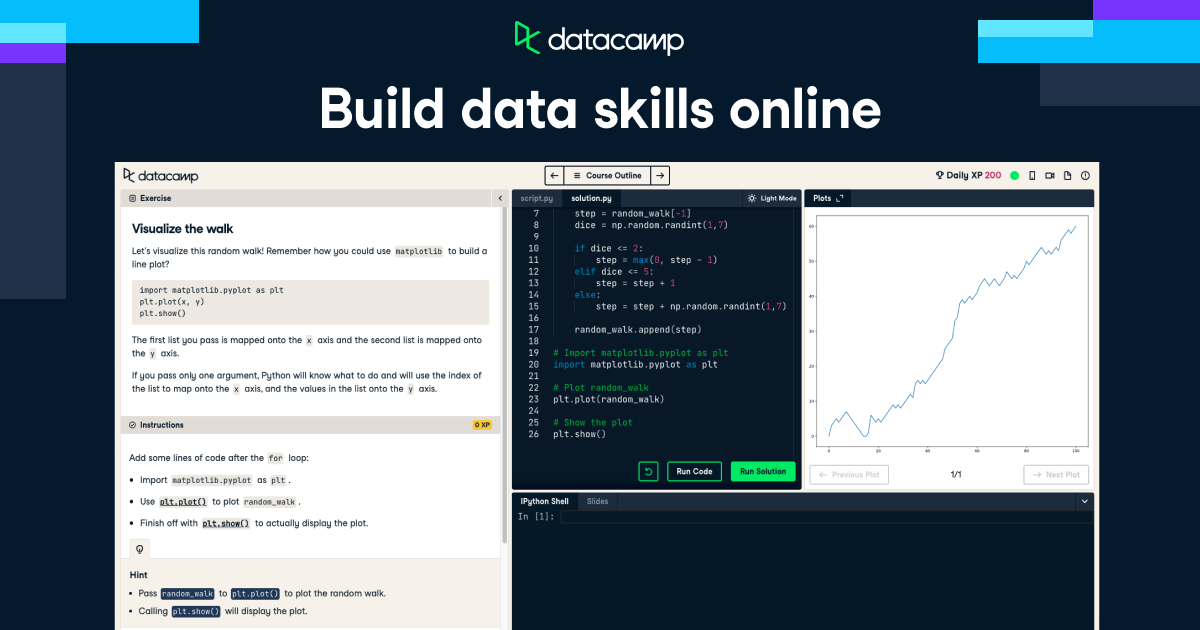
The course walks through how tables, fields, and records fit together, then moves into writing your first SELECT statements. By the second half, you're customizing query results and getting a look at how PostgreSQL and SQL Server differ in practice. It's delivered through short videos paired with in-browser coding exercises, plus DataCamp's AI Tutor feature that adapts explanations as you go.
What You Will Learn
- What SQL is and how relational databases organize structured data
- How tables, fields, records, and data types relate to each other in a schema
- How to write basic queries to pull data out of a table
- How to use SELECT, FROM, DISTINCT, and AS to shape and clean up query output
- How SQL syntax differs between database systems, specifically PostgreSQL and SQL Server
Course Structure
The course is broken into three parts:
- Meet Databases & SQL — covers what databases are, how tables structure data, and what SQL does
- Write Your First SQL — hands-on practice with SELECT, LIMIT, sorting, and pulling top/bottom records
- Complete Your SQL Foundation — DISTINCT values, column renaming (AS), an overview of SQL flavors, and how databases work outside the classroom
Who Is This Course For?
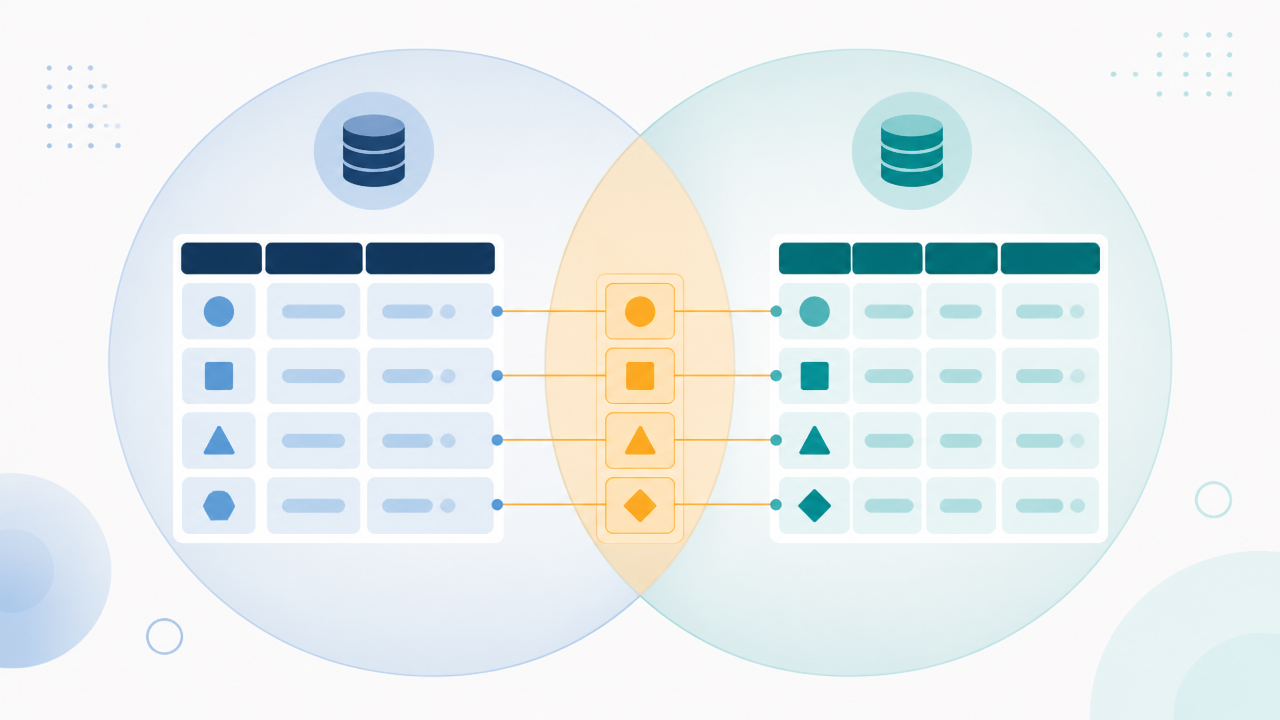
This is built for someone who has literally zero background in SQL or databases — the page is explicit that there are no prerequisites. It's a reasonable starting point if you're exploring whether data work is for you, or if you need just enough SQL to unblock a specific task at your job. It is not for anyone who already knows what a JOIN or a WHERE clause does — the content stops well before that.
Format & Time Commitment
Everything is self-paced with no deadlines. Videos are short, exercises run in-browser, and the whole thing is designed to be finished in a single sitting of under an hour if you don't get stuck.
Pros and Cons
Pros
- Genuinely fast — you can finish it on a lunch break
- No setup required; everything runs in-browser
- Rated highly by a large number of reviewers (4.8 from over 60,000 reviews)
- Comes with a shareable Statement of Accomplishment
Cons
- The scope is very shallow — no JOINs, subqueries, aggregation, or anything you'd need for a real job application filter
- The SQL flavor comparison is described as brief ("looking at the differences") rather than a deep technical breakdown, so don't expect to walk away fluent in PostgreSQL-vs-SQL-Server quirks
- The certificate is a "Statement of Accomplishment," not an industry-recognized certification — DataCamp's actual SQL Associate Certification is a separate, more substantial credential
- At under an hour, it functions more as a taster than a course you'd list as a real skill on a resume by itself
FAQ
Is this course free?
The page doesn't list a standalone price for this specific course — it's positioned as part of DataCamp's platform, and you're prompted to create a free account to start it.
Do I need any coding background first?
No. The course explicitly states there are no prerequisites.
Does the certificate mean much on its own?
It's a completion certificate, not the SQL Associate Certification DataCamp also offers. Treat it as a nice-to-have for LinkedIn, not a job qualification.
What if I already know basic SELECT statements?
Skip ahead — this course covers ground that overlaps heavily with the very first module of DataCamp's own "SQL Fundamentals" skill track, so anyone past total-beginner level will find little new here.
Check the official DataCamp page if you want to see the exact exercises before jumping in.