Course Overview
This course from UC Davis is built for people who have never written a line of SQL but need it to work with data professionally. Rather than jumping straight into abstract syntax, it walks through why databases matter for data science before showing how to actually query them — pulling specific columns, narrowing down rows, and reshaping messy source data into something usable for analysis.
By the end, you're expected to be comfortable writing both simple and multi-step queries, combining data from separate tables with UNION, and cleaning up strings, dates, and numbers so they're consistent enough to analyze. The course frames all of this around a data governance and data-profiling mindset — not just "how do I write this query" but "how do I make sure this data is trustworthy before I use it."
What You Will Learn
- Selecting specific columns or subsets of data and writing queries that limit results to what you actually need
- Filtering, sorting, and summarizing datasets using core SQL commands
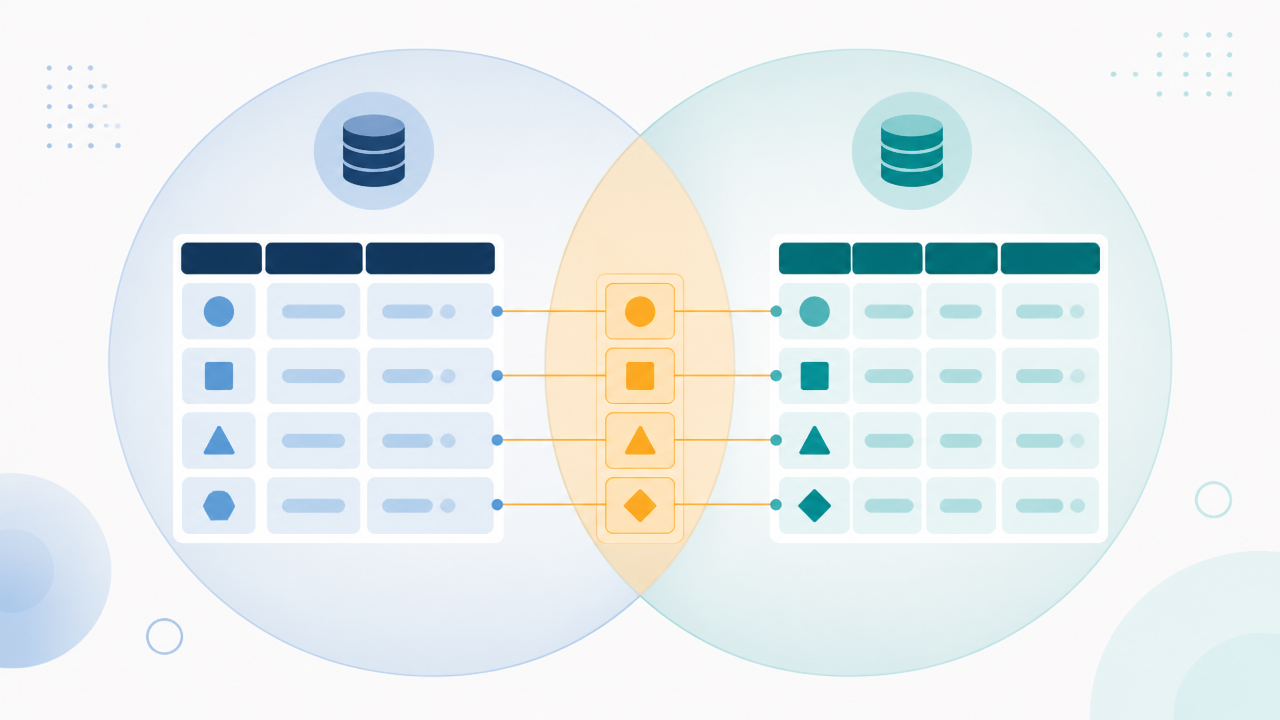
- Combining results from multiple queries into one analysis table using UNION
- Cleaning and reformatting strings, dates, and numeric fields so data from different sources lines up correctly
- Applying case statements and basic data governance thinking to keep results consistent
Who Is This Course For?
This is aimed squarely at people starting from zero — aspiring data analysts, career-switchers, or anyone whose job increasingly involves "just pull this data for me" requests. If you've already written joins, subqueries, or window functions comfortably, this course will move too slowly and cover ground you've already crossed. It's a genuine starting point, not a refresher.
Format & Time Commitment
The course is self-paced but scoped around roughly two weeks at 10 hours a week — so plan for something in the 15–20 hour range total if you follow that pace, more or less depending on how quickly SQL clicks for you. There are 15 assignments, and the course notes these are AI-graded rather than reviewed by a human instructor or peers. No specific software is required, though a plain text editor is suggested for the final project.
Pros and Cons
Pros
- Genuinely beginner-friendly — no assumed SQL or database background
- Practical focus on real analysis tasks (string/date cleanup, filtering, combining tables) rather than pure theory
- Shareable certificate on completion, and enrollment automatically includes the broader Specialization
- Backed by a large enrollment base and consistently high review scores
Cons
- Enrolling pulls you into the full Specialization whether or not you want the additional courses — not ideal if you only want this one topic
- AI-graded assignments mean there's no human feedback loop if you get stuck or want nuanced correction
- At 2 weeks / 10 hours a week, it's light — advanced querying (joins, subqueries, performance) isn't the focus here, so you'll likely need a follow-up course
- Course structure is described only at the "4 modules" level, without a public breakdown of what each module covers before you enroll
FAQ
Do I need any prior experience to take this course?
No — the course is explicitly built for learners with no SQL or database background.
Is the certificate worth adding to LinkedIn?
It's a shareable Coursera certificate from UC Davis, useful as a signal of foundational SQL exposure, though it reflects introductory-level skills rather than job-ready proficiency on its own.
Will this cover enough SQL for an actual data analyst role?
It covers the basics — filtering, sorting, combining queries, and cleaning data — but doesn't get into more advanced querying techniques, so most learners will want to continue into the rest of the Specialization or a more advanced SQL course afterward.
What if I only want this one course, not the whole Specialization?
Coursera enrolls you in the full Specialization automatically when you join this course, so there's no way to isolate just this module through the standard enrollment path.
If foundational SQL for data work is what you're after, it's worth checking the official course page to confirm current pricing and enrollment options before committing.